


North Carolina DWI Field Sobriety Testing Attorney

20+
years of experience

100+
5-star reviews

100%
criminal defense
Overview of DWI and Field Sobriety Testing in North Carolina
A DWI investigation in North Carolina often begins on the roadside, long before a breath or blood test is requested. When an officer suspects impaired driving, field sobriety testing may become a major factor in the decision to make an arrest. These tests are used to evaluate whether a driver shows signs of alcohol or drug impairment. In order to better defend our clients, both attorneys at Hiltzheimer Law Office have completed the full law enforcement Standardized Field Sobriety Testing course approved by NHTSA.
NC DWI field sobriety tests are designed to assess physical coordination, balance, eye movement, attention, and the ability to follow instructions. Officers may use standardized tests such as the Horizontal Gaze Nystagmus test, walk-and-turn test, and one-leg stand test. They may also use non-standardized exercises, including counting backward or reciting part of the alphabet, or the Modified Romberg Balance Test or Lack of Convergence test.
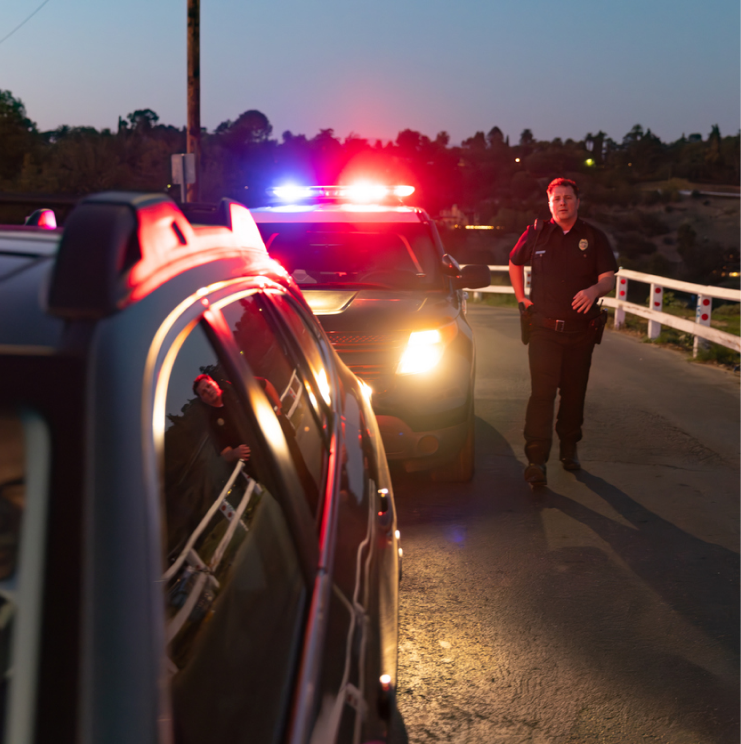
Understanding DWI and Field Sobriety Testing in North Carolina
Under NC DWI laws, both adult and underage DWI in NC cases can involve field sobriety testing before chemical testing. For adults, officers may use roadside observations, field test performance, driving behavior, statements, and chemical testing to support a DWI charge. For drivers under 21, North Carolina applies strict underage alcohol rules, and even a small amount of alcohol remaining in the system can lead to serious legal consequences.
Field sobriety testing is intended to help officers identify impairment, but the results are not automatic proof of guilt. These tests depend heavily on officer interpretation, testing conditions, instructions, lighting, weather, road surface, footwear, nervousness, and the driver’s medical condition. A person may appear unsteady or confused for reasons unrelated to alcohol or drugs.
Challenging Field Sobriety Test Evidence
Because field sobriety tests are subjective, they can often be challenged in court. A North Carolina DWI field sobriety testing attorney can review whether the officer followed proper procedures, gave clear instructions, considered medical limitations, and accurately reported the driver’s performance.
Hiltzheimer Law Office helps clients facing DWI charges examine roadside testing, chemical testing, police reports, and video evidence to protect their rights and license.
Types of DWI Field Sobriety Tests
NC DWI field sobriety tests are roadside exercises officers may use during an impaired driving investigation. These tests are intended to help officers evaluate balance, coordination, eye movement, divided attention, and the ability to follow instructions. However, test performance does not always prove impairment.
North Carolina officers often rely on three standardized field sobriety tests developed through NHTSA procedures.
Standardized Field Sobriety Tests
The three standardized tests commonly used in North Carolina DWI investigations include:
- Horizontal Gaze Nystagmus Test: The officer asks the driver to follow an object, usually a pen or finger, with their eyes. The officer looks for involuntary eye jerking that may suggest impairment.
- Walk-and-Turn Test: The driver is asked to walk heel-to-toe along a straight line, turn, and walk back. Officers evaluate balance, coordination, instructions, starting too soon, stepping off the line, or using arms for balance, among other “clues” that officers are trained to look for.
- One-Leg Stand Test: The driver must stand on one leg while counting aloud. This test is designed to evaluate balance, divided attention, and physical control.
Non-Standardized Field Sobriety Tests
Officers may also use non-standardized tests during NC DWI field sobriety stops. These may include:
- Reciting the alphabet
- Counting backwards
- Touching a finger to the nose
- Finger dexterity test
- Modified Romberg Balance test
- Lack of Convergence test
These tests may still appear in an officer’s report, but they are generally more subjective than standardized tests and have never been standardized for DUIs.
Factors That Can Affect Test Results
Many issues can cause someone to appear to “fail” a sobriety test even when sober. Poor weather, uneven pavement, flashing lights, traffic noise, fatigue, nervousness, injuries, vertigo, and other medical conditions can all affect performance.
For field sobriety results to be credible in court, officers should be properly trained and administer standardized tests in accordance with accepted procedures. Errors in instructions, scoring, test conditions, or officer interpretation may form the basis of a strong legal challenge by a North Carolina DWI field sobriety testing attorney.
Legal Issues with Field Sobriety Testing
Field sobriety tests can play a major role in a North Carolina DWI case, but they are not scientifically infallible. These roadside exercises depend on many variables, including the officer’s instructions, the driver’s physical condition, the testing surface, lighting, weather, traffic, and stress during the stop. Even a sober driver may struggle with balance or coordination when asked to perform unfamiliar tasks on the side of the road.
Officer interpretation also matters. Field sobriety testing requires observation and judgment, which means results can be affected by bias, incomplete notes, poor training, or assumptions made during the investigation.
Failing a Test Does Not Automatically Mean Guilt
Failing a field sobriety test does not automatically prove impairment or guilt. Instead, it is usually one piece of evidence that an officer may use when deciding whether there is probable cause to arrest. The prosecution may later rely on the officer’s observations, chemical test results, driving behavior, statements, and video footage to support the DWI charge.
Because field sobriety results are only part of the case, they can often be questioned. A poor performance may have an explanation unrelated to alcohol or drug impairment.
Field Sobriety Tests in Underage DWI Cases
In underage DWI NC cases, officers may rely heavily on field sobriety results, especially when investigating alcohol use by a driver under 21. North Carolina has a zero-tolerance rule for underage alcohol-related driving offenses, meaning any detectable alcohol may create legal consequences. However, field sobriety results must still be properly observed, recorded, and interpreted. However, a positive result on a Portable Breath Test (PBT) may prove sufficient for an arrest in an underage DWI due to the lower legal standard as compared to a traditional DWI.
Improper Testing and Evidence Challenges
Improperly conducted tests may be challenged in court. If an officer lacked proper training, gave unclear instructions, ignored medical issues, or failed to follow accepted NC DWI testing procedures, the reliability of the results may be weakened.
A North Carolina DWI field sobriety testing attorney can review dashcam footage, bodycam footage, officer testimony, reports, and testing conditions to challenge the prosecution’s case.
Penalties and Consequences of Failing or Refusing Tests
Failing NC DWI field sobriety tests does not automatically mean a conviction, but it often gives an officer grounds to continue the investigation, make an arrest, and request chemical testing. In North Carolina, chemical testing is governed by the State’s implied consent laws. That means drivers are generally deemed to have consented to breath, blood, or urine testing after a lawful DWI arrest.
Field sobriety tests and chemical tests are different. Roadside field sobriety tests are typically voluntary. Refusing a chemical test, however, can trigger serious license consequences even before the criminal case is resolved.
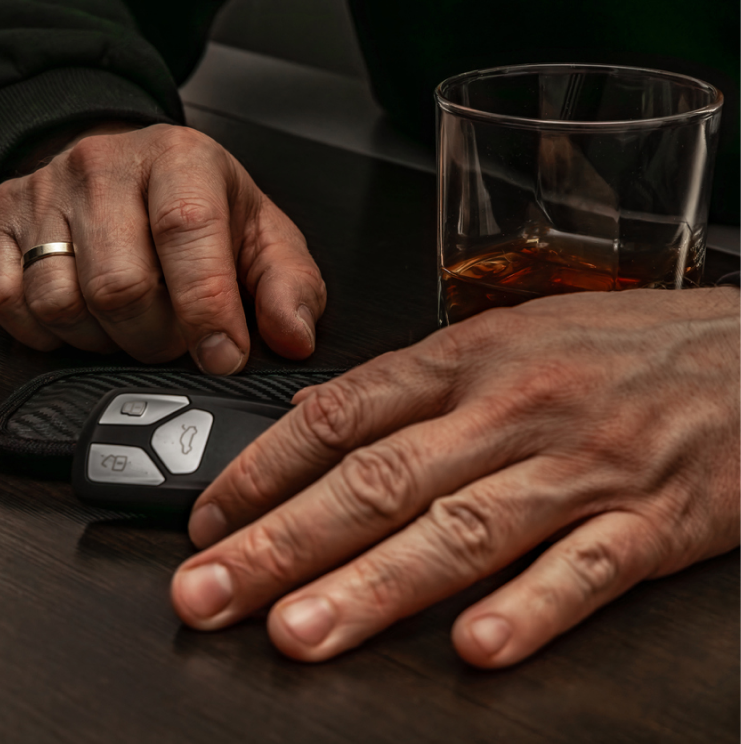
Consequences of Refusing Chemical Testing
Under North Carolina law, refusing a chemical test after a DWI arrest can result in an immediate civil license revocation and a subsequent full-year suspension by the DMV. This revocation can occur separately from any criminal penalties and may apply even if the driver is later found not guilty of DWI.
Common consequences may include:
- Immediate license revocation
- Delayed 1-year suspension by the DMV
- Loss of driving privileges before conviction
- Additional evidence the State may try to use in court
- Difficulty obtaining limited driving privileges
- Increased pressure during the criminal case
Underage DWI Penalties in North Carolina
North Carolina has strict rules for drivers under 21. Underage DWI penalties in NC may include a 1-year license revocation, fines, community service, a substance abuse assessment or education, and possible jail time, depending on the facts. For underage drivers, any detectable amount of alcohol can create legal problems, even if the driver is not over the adult 0.08 BAC limit.
Adult and Repeat Offender Consequences
Adults and repeat offenders may face enhanced punishment depending on blood alcohol concentration, test results, aggravating factors, prior convictions, and the sentencing level assigned by the court. Penalties may include fines, probation, jail time, license suspension, ignition interlock requirements, and mandatory treatment.
Early intervention from a North Carolina DWI field sobriety testing attorney can help protect your license, challenge improper testing, and seek reduced penalties or suppression of unreliable evidence.
Defense Strategies for Challenging Field Sobriety Tests
Field sobriety tests are often treated as important evidence in a North Carolina DWI case, but they are not infallible. These tests depend on the officer’s instructions, the driver’s physical condition, the location of the stop, and the interpretation of the results. A certain percentage of people cannot pass these tests when not impaired. A North Carolina DWI field sobriety testing attorney can review the case for procedural errors, inconsistencies, and facts that may weaken the State’s evidence.
One common defense approach is to question whether the tests were performed under fair conditions. The walk-and-turn and one-leg stand tests may be unreliable if they are conducted on uneven pavement, gravel, a sloped shoulder, wet ground, or in poor lighting. Traffic noise, flashing patrol lights, bad weather, and anxiety during the stop may also affect performance.
These details matter because poor performance does not always mean impairment. If the testing environment made the tasks difficult, the results may not accurately reflect the driver’s condition.
Addressing Medical and Physical Factors
Health issues can also mimic signs of impairment. Vertigo, leg injuries, back pain, neurological conditions, fatigue, anxiety, and certain medications may affect balance, coordination, speech, or eye movement. A driver may appear impaired during NC DWI field sobriety tests even when another explanation exists.
A defense may include medical records, witness statements, or other evidence showing that the field test results were caused by physical limitations rather than alcohol or drug impairment.
Reviewing Officer Conduct and Video Evidence
An attorney may also examine whether the officer was properly trained and whether the tests were administered in accordance with accepted procedures. Cross-examining the officer’s training, instructions, administration of the tests, and DWI report can expose weaknesses in the investigation.
Dashcam and bodycam footage may show inconsistencies between the officer’s report and what actually happened during the stop. In some cases, testimony may also be used to challenge the accuracy of field sobriety testing.
Challenging the types of DWI field sobriety procedures used if a police officer suspects drunk driving may lead to reduced charges, dismissal, or acquittal.
Why Hire Hiltzheimer Law Office for a DWI Field Sobriety Case
A DWI charge involving field sobriety tests can feel overwhelming, especially when an officer’s roadside observations become part of the case against you. Hiltzheimer Law Office defends clients accused of DWI throughout North Carolina, including cases involving field sobriety testing, underage drivers, chemical testing issues, and alleged procedural errors.
Our firm understands how North Carolina DWI laws apply to roadside investigations and how field sobriety tests should be administered. Poor instructions, uneven surfaces, medical conditions, weather, lighting, and officer mistakes can all affect the reliability of test results. Hiltzheimer Law Office carefully reviews the stop, the officer’s conduct, video evidence, test administration, and, when available, chemical testing records.
Early legal intervention can make a meaningful difference in the outcome of your DWI case. Evidence may need to be preserved, witnesses may need to be contacted, and procedural problems should be identified quickly. Contact Hiltzheimer Law Office, a dedicated North Carolina DWI field sobriety testing attorney, for immediate help protecting your rights and license after a drunk driving charge.

Frequently Asked Questions
No. Field sobriety tests are not required by North Carolina law. Officers may request them during a DWI stop, but they are voluntary. Refusing these tests is not a separate offense and does not carry any specific legal consequences, though an officer may consider refusal of the tests in determining whether to proceed with an arrest.
Yes. You can refuse to perform field sobriety tests in North Carolina. These roadside tests are voluntary. However, an officer may still proceed with an investigation and arrest decision based on other observations and available evidence.
Field sobriety tests are not particularly accurate. They are designed to help officers assess possible impairment, but results can vary. Factors such as fatigue, nerves, physical condition, and environment may affect performance, even if a driver is not impaired.
Yes. Field sobriety test results can be used as evidence in North Carolina courts. Officers may testify about how the tests were performed and the results. The weight given to this evidence depends on the circumstances and the overall facts of the case.
The Horizontal Gaze Nystagmus test evaluates involuntary eye movement as a person follows an object side to side with their eyes. Officers look for eye jerking that may indicate impairment at different stages of the test. It is one of the standardized field sobriety tests used in DWI investigations.
Yes. Weather, lighting, and road conditions can affect performance on field sobriety tests. Uneven pavement, rain, wind, or poor visibility may make it harder to complete tasks correctly, regardless of whether a driver is actually impaired.
Yes. Many officers receive training on standardized field sobriety tests developed by the National Highway Traffic Safety Administration. This training covers how to administer and interpret tests, though not all officers have the same level of experience. Both attorneys at Hiltzheimer Law Office have completed the full law enforcement training that is administered by NHTSA, in order to better advocate for their clients.
Yes. Field sobriety tests can be challenged in court. Issues may arise regarding how the test was administered, the conditions at the scene, or the officer’s observations. Courts consider these factors when evaluating the reliability of the results.
Failing a field sobriety test may give an officer probable cause to arrest for DWI. It does not automatically result in a conviction. Additional evidence, such as chemical testing or other observations, is typically considered in the case.
Yes. Medical conditions can affect balance, coordination, vision, or speech. Issues such as inner ear disorders, injuries, neurological conditions, or certain medications may impact test performance and potentially lead to results that suggest impairment.
Contact Us Today
Get your free consultation.

Call or Text: (919) 899-9404

Durham Office:
331 W Main St #604 Durham, NC 27701
Raleigh Office:
19 W Hargett St #508 Raleigh, NC 27601
Chapel Hill Office:
605 W Main St #206E, Carrboro, NC 27510