


North Carolina Possession of Marijuana Defense Lawyer

20+
years of experience

100+
5-star reviews

100%
criminal defense
Understanding North Carolina Marijuana Possession Laws
Under North Carolina marijuana laws, marijuana is classified as a Schedule VI controlled substance, the lowest level in the state’s drug scheduling system. Despite this lower classification, possession of marijuana in North Carolina is still illegal and can lead to criminal charges.
The possession of marijuana in North Carolina statute — primarily governed by N.C.G.S. § 90-95 — sets out how these offenses are charged and penalized based on the amount involved.
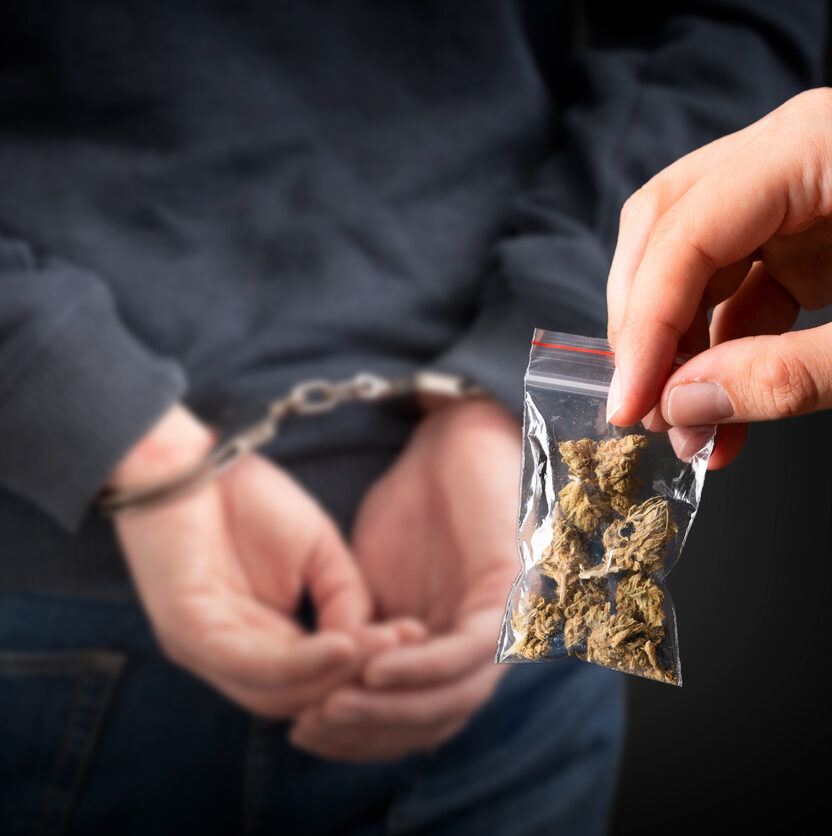
What Counts as Possession?
Possession of marijuana in North Carolina can be established in two ways:
- Actual possession: Marijuana is found directly on your person, such as in a pocket or bag.
- Constructive possession: Marijuana is found in a place you control, such as a vehicle, home, or shared space, and prosecutors argue you had knowledge of and access to it.
This distinction is important because individuals can be charged even if the substance was not physically on them.
Personal Use vs. Intent to Distribute
North Carolina law also distinguishes between possession for personal use and possession with intent to distribute. While smaller amounts may suggest personal use, larger quantities, packaging materials, scales, or cash can lead to more serious charges. Weight thresholds play a key role:
- Less than 0.5 ounce: Typically a misdemeanor
- 0.5 to 1.5 ounces: Misdemeanor with increased penalties
- More than 1.5 ounces: May be charged as a felony
Understanding these thresholds is critical, as they directly affect the severity of the charge and potential penalties. Hiltzheimer Law Office can help you navigate these distinctions and build a defense strategy based on the specific facts of your case.
Charges and Penalties for Marijuana Possession in North Carolina
The charge for possession of marijuana in North Carolina depends largely on the amount involved and the surrounding circumstances. While smaller amounts are usually treated as misdemeanors, larger quantities can lead to felony charges with far more serious consequences.
Misdemeanor vs. Felony Possession
- Less than 0.5 ounce: Typically a misdemeanor, often resulting in fines and possible probation, with limited jail exposure. May be eligible for deferral or conditional discharge to avoid conviction.
- 0.5 ounce to 1.5 ounces: Still a misdemeanor, but penalties may increase depending on prior record and case details. May be eligible for deferral or conditional discharge to avoid conviction.
- More than 1.5 ounces: May be charged as a North Carolina felony possession of marijuana, exposing you to stricter sentencing and long-term consequences. May be eligible for deferral or conditional discharge to avoid conviction.
Potential Penalties
Penalties for marijuana possession can vary, but may include:
- Jail time: Ranging from short-term confinement to longer sentences for felony-level charges, but typically reserved for cases involving significant prior criminal history.
- Probation: Supervised or unsupervised, with conditions such as drug testing or counseling possible
- Fines and court costs: Financial penalties that can add up quickly
- Driver’s license suspension: Possible even if the offense did not involve a vehicle
- Deferral or conditional discharge typically available with no prior record
Enhanced Penalties and Aggravating Factors
Certain circumstances can increase the severity of a marijuana charge:
- Repeat offenses: Prior convictions can lead to harsher sentencing
- Possession near schools or public areas: May trigger enhanced penalties
- Evidence of distribution: Items like scales or packaging materials can elevate charges
Long-Term Consequences of Felony Charges
A felony possession of marijuana in North Carolina conviction can have lasting effects beyond the courtroom:
- Difficulty securing employment due to background checks
- Barriers to housing opportunities
- Loss of certain civil rights, including firearm restrictions
Because the stakes increase significantly with higher-level charges, consulting a felony possession of marijuana attorney in North Carolina is essential to protect your future.
Defense Strategies from a North Carolina Possession of Marijuana
A North Carolina possession of marijuana defense lawyer plays a critical role in protecting your rights from the moment charges arise. From reviewing police conduct to analyzing evidence, an attorney ensures that your case is handled strategically at every stage. A skilled marijuana possession lawyer in North Carolina understands how local courts operate and how prosecutors approach these cases, which can directly impact the outcome.
Early involvement allows your attorney to preserve key defenses, file timely motions, and prevent mistakes that could weaken your position. This proactive approach is often the difference between a conviction and a more favorable resolution.

Common Defense Strategies
An experienced attorney may use several strategies to challenge marijuana possession charges, including:
- Challenging unlawful search and seizure: If law enforcement violated your Fourth Amendment rights, evidence may be suppressed.
- Disputing constructive possession: Arguing that you did not have knowledge of or control over the marijuana, especially in shared spaces like vehicles or homes.
- Questioning the evidence: Challenging how the substance was tested, weighed, or classified by the state.
- Exploring alternative outcomes: Seeking diversion programs or conditional discharge options for eligible first-time offenders.
These strategies are tailored to the facts of your case, the criminal charges, and the strength of the prosecution’s evidence. How much marijuana is involved in the drug charges partially determines whether there will be a jail sentence.
Negotiation and Case Resolution
A knowledgeable marijuana possession attorney can negotiate with prosecutors to reduce charges or seek dismissal where appropriate. By identifying weaknesses early and presenting strong legal arguments, your attorney can often improve the overall outcome.
Because timing matters, securing legal representation as soon as possible is essential to building a strong defense and protecting your future.
Marijuana Paraphernalia and Related Offenses
Under North Carolina marijuana laws, “drug paraphernalia” refers to items used to prepare, store, or consume marijuana. Common examples include pipes, bongs, rolling papers, grinders, and containers used to hold cannabis.
Even everyday items may be considered paraphernalia if law enforcement believes they are intended for drug use. This means context — such as residue, location, or surrounding evidence — can play a major role in how charges are filed.
How Paraphernalia Charges Are Prosecuted
Possession of paraphernalia is treated as a separate misdemeanor offense under North Carolina law. This means you can face charges even if no marijuana is found, or in addition to a possession of marijuana charge in North Carolina. While typically less severe than felony drug offenses, paraphernalia convictions can still result in fines, court costs, and a criminal record that may affect employment and background checks.
In many cases, paraphernalia charges accompany marijuana possession. For example, if marijuana is found alongside a pipe or rolling papers, prosecutors may pursue both offenses. This can increase overall penalties and complicate the case, especially if multiple items are involved or if law enforcement alleges intent to distribute based on the circumstances.
Defense Strategies That May Apply
Our experienced defense attorney can evaluate several strategies to challenge or reduce paraphernalia charges, including:
- Questioning whether the item legally qualifies as paraphernalia
- Challenging unlawful searches or seizures
- Disputing ownership or control of the item
- Arguing the lack of intent to use the item for drug-related purposes
By carefully reviewing the evidence and circumstances, a defense attorney may seek dismissal, charge reduction, or alternative outcomes that minimize long-term consequences.
Marijuana Law Reform and Ongoing Legal Developments in North Carolina
North Carolina marijuana laws continue to evolve, with ongoing debates on medical use and broader reform. While possession remains illegal under current law, legislative efforts signal that changes may be on the horizon, at least eventually.
- Current legal status: Under North Carolina law on possession of marijuana, small amounts are typically charged as misdemeanors, while larger quantities can lead to felony charges. Marijuana is still classified as a Schedule VI controlled substance under state law.
- Medical marijuana developments: North Carolina has not fully legalized medical marijuana, but limited use of certain cannabis-derived products is permitted. Lawmakers have introduced proposals to expand access through regulated medical programs.
- Pending legislation: Various House Bills and Senate proposals have aimed to reform marijuana laws, but North Carolina lags the nation by a wide margin on this issue, and reform may still be many years off.
- Impact on future cases: If reforms are enacted, penalties for possession could be reduced or eliminated. However, until laws change, current statutes remain enforceable.
- Importance of staying informed: A knowledgeable marijuana defense lawyer closely tracks these legal developments. Understanding pending reforms and how courts respond to evolving laws can help shape stronger defense strategies and identify opportunities for more favorable outcomes.
Because marijuana laws are changing, having legal guidance that reflects the most current developments is essential when facing charges. Rules for North Carolina controlled substances may change by the month, so having a skilled defense attorney at your side is invaluable.
Why Choose Hiltzheimer Law Office for Your Marijuana Possession Defense
If you’re facing first offense marijuana charges, working with a skilled possession of marijuana lawyer in North Carolina can make a meaningful difference in how your case is handled. Hiltzheimer Law Office has experience defending clients against marijuana and other controlled substance charges, including cases involving allegations that could be elevated to felony-level offenses.
Our criminal defense lawyers take a personalized approach to every case. From the initial investigation through courtroom advocacy, each defense strategy is tailored to the specific facts — how the evidence was obtained, where the substance was found, and whether your rights were respected. This attention to detail allows our North Carolina marijuana possession defense lawyers to identify weaknesses in the prosecution’s case and pursue opportunities for dismissal or reduction.
Hiltzheimer Law Office has achieved favorable outcomes in prior marijuana possession cases, including dismissals and reduced charges where appropriate. While every case is different, a focused and strategic defense can significantly impact the result.
If you’re dealing with a marijuana charge, don’t wait. Speak with our felony possession of marijuana law firm in North Carolina today. Schedule a free, confidential consultation to discuss your situation and take the first step toward protecting your rights and your future. Avoid severe penalties and months of imprisonment by working with Hiltzheimer Law Office today.
Frequently Asked Questions
Yes, it’s possible. In North Carolina, possession of small amounts of marijuana is typically treated as a misdemeanor. However, penalties can still include jail time, fines, and a criminal record, depending on prior record.
North Carolina has very limited allowances for certain cannabis-derived products, but traditional medical marijuana use is not broadly legal. Most possession of marijuana remains prohibited under state law, even if permitted in other states.
Yes. Even small traces of marijuana or possession of drug paraphernalia can result in charges. Items such as pipes, rolling papers, or containers associated with drug use may lead to separate criminal offenses.
Yes. Under constructive possession, you can be charged if marijuana is found in a vehicle you control. Prosecutors must show you knew about the substance and could control it.
In some cases, yes. Certain first-time or dismissed marijuana charges may qualify for expungement. Eligibility depends on the outcome of the case, your prior record, and specific legal requirements under North Carolina law.
Often, yes. The odor of marijuana has historically been used as probable cause to search a vehicle. However, legal standards can evolve, and the specifics of each situation may affect whether a search is lawful.
Penalties are typically more severe. Possession on school property can lead to enhanced charges, stricter consequences, and additional legal complications beyond standard misdemeanor possession penalties.
Yes. A conviction may lead to a driver’s license suspension, even if the offense did not involve driving. Additional fees and reinstatement requirements may also apply.
Yes. Unless the charge is dismissed or expunged, it can appear on background checks. This may impact employment, housing, and other opportunities that require a criminal history review.
You may still face charges if you had control over the area where it was found. A defense may involve showing a lack of knowledge or control, but the outcome depends on the specific facts of the case.

Contact Us Today
Get your free consultation.

Call or Text: (919) 899-9404

Durham Office:
331 W Main St #604 Durham, NC 27701
Raleigh Office:
19 W Hargett St #508 Raleigh, NC 27601
Chapel Hill Office:
605 W Main St #206E, Carrboro, NC 27510