


DWI Defense Attorney in North Carolina

20+
years of experience

100+
5-star reviews

100%
criminal defense
About Hiltzheimer Law Office
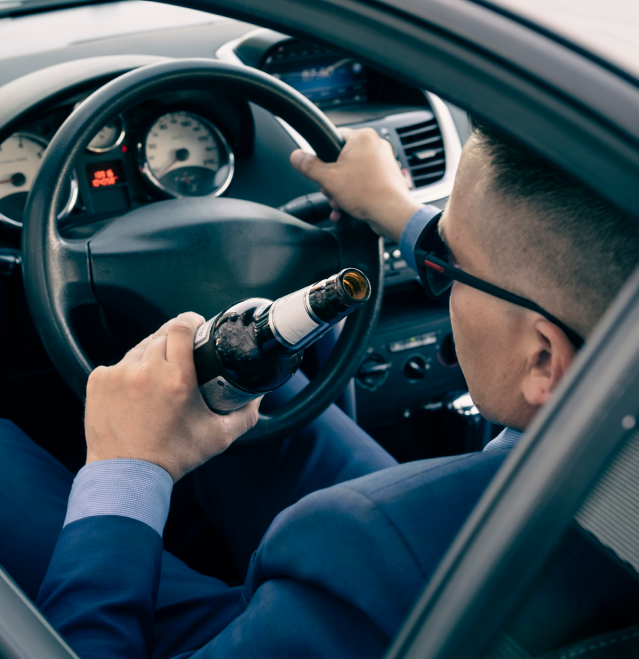
A DWI charge in North Carolina can change your life in a single moment. Many cases begin with a late-night traffic stop, flashing blue lights, and an officer claiming you were impaired behind the wheel. From there, the process moves quickly. You may face roadside testing, chemical testing, license suspension issues, court appearances, and decisions that affect your record, your job, and your future.
North Carolina treats impaired driving offenses seriously. Even a first offense can lead to license suspension, fines, probation, mandatory treatment programs, and possible jail time depending on the circumstances. Prior convictions, a high blood alcohol concentration, or other aggravating factors can increase the penalties significantly.
You need clear answers early. You also need a defense strategy built around the facts of the stop, the testing procedures, and the evidence the prosecution plans to use.
How Hiltzheimer Law Office Helps DWI Defendants
At Hiltzheimer Law Office, your DWI defense starts with a direct conversation about what happened and what comes next. You explain the details of the traffic stop, the officer’s observations, and any testing involved. From there, your attorney evaluates the facts, collects discovery, and explains where you stand under North Carolina law.
Our criminal defense law firm focuses on criminal defense matters across North Carolina, including DWI offenses. That includes reviewing whether the traffic stop was lawful, examining how field sobriety or breath testing was conducted, and identifying weaknesses in the prosecution’s evidence. In some cases, procedural mistakes or unreliable testing methods can affect what evidence may be used in court.
You receive straightforward communication throughout your case. Court dates, possible penalties, license consequences, and defense options are explained clearly so you can make informed decisions as your case moves forward.
DWI Defense Services
An arrest can hit fast. One moment you’re on the road or at home, the next you’re dealing with DWI charges, paperwork, and a court date stamped across the top of a citation. The system moves quickly. Your license, your record, and your job may all be at risk.
At Hiltzheimer Law Office, we can help with the following DWI charges:
A first charge can feel manageable, but the penalty for a first DWI in North Carolina still carries real consequences. A first offense DWI lawyer in North Carolina can review the stop, the testing, and the facts to build a defense that protects your license and record.
A 2nd DWI in NC or any repeat charge raises the stakes fast under the multiple DWI offenses law in North Carolina. A multiple DWI offense lawyer in North Carolina focuses on reducing exposure and addressing the harsher sentencing tied to multiple DWI charges.
Charges involving driving under the influence of drugs often depend on officer observations and test results, not a clear number. A North Carolina drug DUI lawyer can challenge how evidence was gathered and defend against a DUI drug charge under North Carolina DUI laws.
Officers rely on standardized tests during a stop, but NC DWI field sobriety tests are not always administered correctly. A North Carolina DWI field sobriety testing attorney reviews the types of DWI field sobriety tests used and looks for errors that affect the case. The attorneys at Hiltzheimer Law Office have received the same standardized training offered to law enforcement, so they know these tests inside and out.
North Carolina enforces strict rules for drivers under 21, and under-21 DUI charges can arise from even a small amount of alcohol. An underage DUI attorney in North Carolina helps you understand underage DUI laws in North Carolina and works to limit the long-term impact on your record.
Understanding the DWI Process in North Carolina
A DWI arrest sets two tracks in motion. One runs through the criminal court. The other runs through the DMV and affects your license. Both move on strict timelines, and early steps carry weight for the rest of the case.
North Carolina uses a six-level sentencing system. Level V is the least severe and often applies in a first offense without aggravating factors. Fines, a short jail sentence, and a one-year license revocation may apply.
Levels IV and III carry higher fines and longer minimum jail terms when aggravating factors are present. Levels II, I, and Aggravated Level I carry the most serious penalties. An Aggravated Level I sentence can carry up to three years in prison and long-term consequences that follow you well beyond the case.
What Happens After an Arrest
- Arrest and testing: Law enforcement takes you into custody and requests a breath or blood test. Refusal triggers an immediate civil license revocation under implied consent rules.
- License consequences: The DMV process begins right away. You have a limited window to challenge the revocation. Missing that deadline means your driving privileges are suspended before your case reaches trial.
- Court appearance: You appear before a judge, and conditions of release are set. The charge is added to the court docket, and the prosecution begins building its case.
- Evidence review: Your attorney examines reports, video footage, and test results. Small details often matter. The way a stop was conducted, or a test was handled, can affect which evidence is admissible.
- Motions and resolution: Legal challenges may limit or exclude evidence. From there, the case moves toward dismissal, negotiation, or trial, depending on the facts.
What you do next matters. Early choices can affect your license, your record, and how your case unfolds.
- Custody and testing: After an arrest, you are taken to a station for processing and chemical testing. Breath or blood results become central evidence—a refusal results in immediate civil license revocation under implied consent laws.
- License review window: The DMV process begins immediately and runs separately from the court process. You have a short window to challenge the revocation. Missing that deadline means your driving privileges are suspended before your case is heard.
- First court date: A judge formally addresses the charge and sets conditions for release. The case enters the court system, and the prosecution continues reviewing the evidence.
- Case review: Your attorney examines reports, video footage, and test records. The details matter. How the stop occurred, how testing was handled, and how evidence was documented can shape what is used in court.
- Legal challenges: Issues with the stop, arrest, or testing may lead to motions that limit or exclude evidence. These challenges can shift the direction of the case.
- Outcome: The case moves toward dismissal, negotiation, or trial. The result depends on the strength of the evidence and the strategy used.
You are dealing with a process that moves fast and leaves little room for delay. Clear guidance early on helps you stay prepared and focused as each step develops. A skilled North Carolina DWI defense attorney can help you stay informed.
Blood Alcohol Content (BAC) Limits
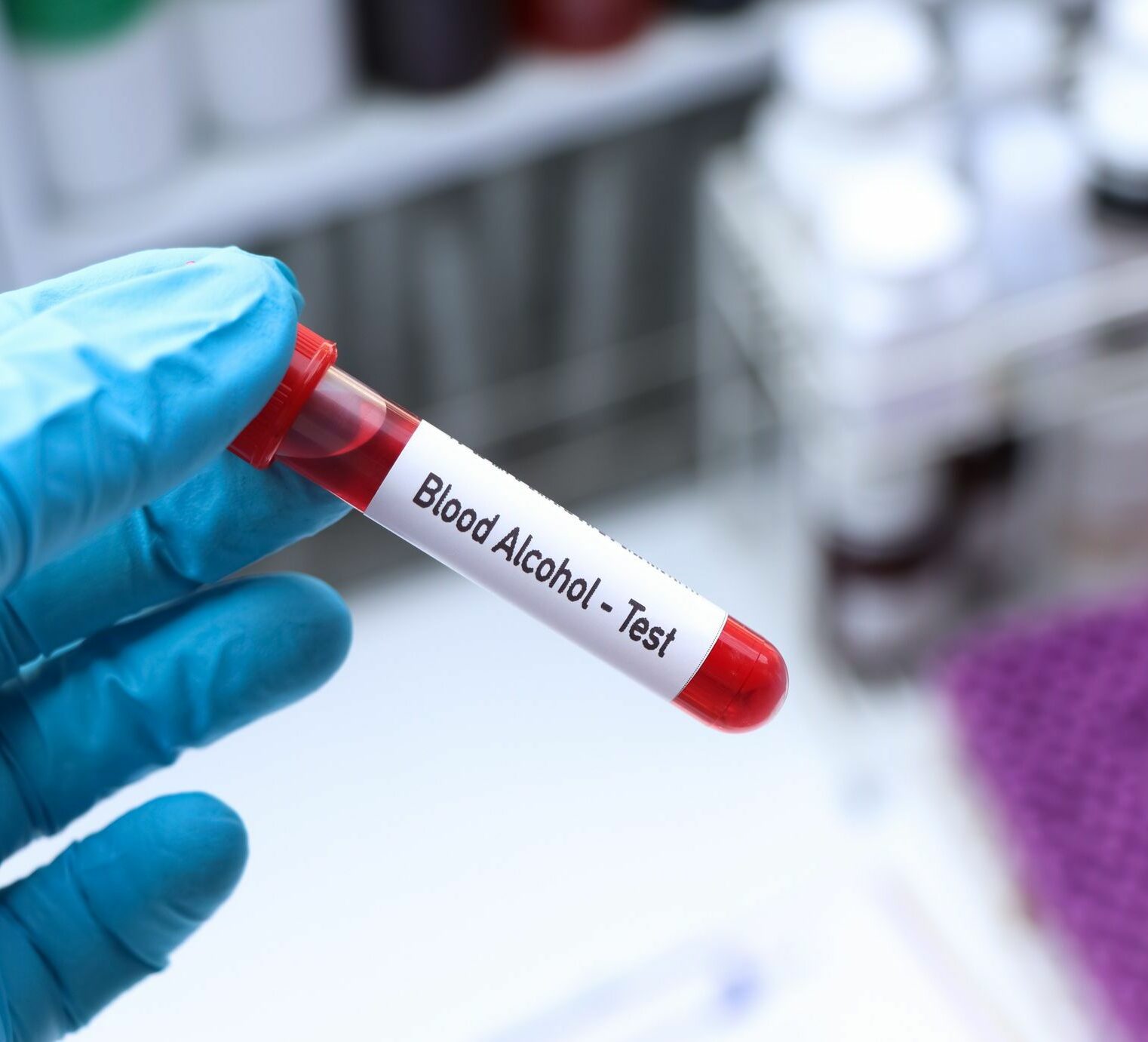
In North Carolina, a BAC of 0.08% or higher will result in a DWI charge, though that BAC does not automatically mean you are guilty. If you hold a commercial driver’s license, the limit drops to 0.04%. Those numbers matter, but they do not control every case.
You can still face a DWI charge with a BAC below 0.08%. Officers often rely on observations made during a traffic stop, along with field sobriety tests and other evidence. Slurred speech, the smell of alcohol, or the way a vehicle was operated may be used to support a charge, even without a confirmed chemical result.
This is where legal guidance becomes critical. BAC results, testing procedures, and officer observations can all be challenged, but timing and approach matter. An early review of the stop, the testing method, and the evidence can shape how the case moves forward.
If you are charged with DWI, you need advice from a defense attorney who understands how these cases are built and where they break down. At Hiltzheimer Law Office, each case is examined closely, and you receive clear direction on your options. There are no guarantees in any case, but a strong defense begins with knowing exactly what you are facing and how to respond.
The Role of the Criminal Court and DMV
A DWI charge in North Carolina moves through the criminal court while a separate process begins with the DMV. These tracks run at the same time, and each one affects different aspects of your rights and driving privileges.
The criminal court focuses on the charge itself. If the case proceeds to trial, a judge or jury will determine whether the state has proved beyond a reasonable doubt that you were driving while impaired, and the judge will determine whether law enforcement followed proper procedures. This includes how the stop occurred, how tests were handled, and what evidence is allowed in court. A guilty verdict can result in penalties such as fines, probation, or jail time, as well as a permanent criminal record.
Your Attorney May Assist With a Potential Driver’s License Suspension
The DMV process focuses on your driving privileges. It begins quickly, often before your first court date. This process follows its own rules and does not depend on a conviction. A license revocation can take effect due to a failed test or refusal, and the timeline to challenge that action is short. Missing that window can leave you without a license while your case is still pending.
These two systems affect different parts of your life. A court case can shape your record and future opportunities. A license suspension can affect how you get to work, take care of your family, and manage daily responsibilities. One does not wait for the other.
Legal advice from your defense attorney early in the process matters because decisions on one track can influence the other. A defense strategy should account for both. Understanding how the court and DMV processes interact allows you to respond in a way that protects your rights and limits long-term impact.
The Benefits of Hiring a DWI Defense Lawyer
Handling a DWI charge on your own carries real risk. North Carolina law includes strict procedures, technical rules, and short deadlines. A missed step early in the process can affect your license, your record, and how your case is resolved.
A DWI defense attorney reviews how the stop occurred, how tests were administered, and whether your rights were protected. Issues with a traffic stop, a breath test machine, or the handling of evidence can change what the court allows. These details are not always obvious, but they often shape the outcome of a case.
Penalties for DWI can include license suspension, fines, probation, and jail time, depending on the level of the offense. Prior convictions within seven years, along with other aggravating factors, can increase those penalties. A defense strategy should account for these risks from the start.
The DMV process also requires immediate attention. A license revocation can take effect quickly, and the window to challenge it is limited. Representation during this stage can help protect your ability to drive while your case is pending.
DWI cases often involve multiple forms of evidence, including field sobriety tests, chemical testing, and officer observations. Each piece must be examined for accuracy and reliability. In some cases, expert analysis is used to challenge how results were obtained or interpreted.
Working with a defense attorney gives you a structured approach to each step of the process. You receive clear guidance, informed decisions, and a defense built around the specific facts of your case.
Why Choose Our DWI Defense Lawyers?
When you hire Hiltzheimer Law Office, you work directly with a team focused on criminal defense in North Carolina. Your case is not handed off or treated as routine. It starts with a detailed review of the stop, the arrest, and the evidence, followed by a clear plan built around your situation.
- Focused criminal defense work: The firm handles DWI and related criminal charges across North Carolina. This includes close attention to local court procedures, how prosecutors handle cases, and how judges approach sentencing.
- Thorough case analysis: Every case is examined for issues with the traffic stop, field sobriety testing, and chemical results. Small details often matter. The way evidence was collected or recorded can affect what is used in court.
- Direct communication: You receive straightforward answers about where your case stands and what comes next. Meetings and calls are clear and focused, so you understand your options before making decisions.
- Early, structured defense strategy: The firm builds your defense from the start, not after problems arise. This includes quickly reviewing evidence and identifying legal challenges that can shape the case’s direction.
- Guidance beyond the courtroom: DWI charges often involve multiple issues. License concerns, court dates, and practical impacts on daily life all need attention. You receive guidance on each part, so nothing is missed.
A DWI case moves quickly and leaves little room for delay. Having a defense team that stays focused, communicates clearly, and addresses each step with purpose can make a meaningful difference in how your case is handled.
Contact Our DWI Defense Attorney Now
A DWI charge does not wait. Deadlines begin right away, and early decisions can affect your license and your case.
When you contact Hiltzheimer Law Office, you speak directly with an attorney who handles DWI defense in North Carolina. You can explain what happened, ask questions, and receive clear guidance on your next steps based on the facts of your situation.
If you have been charged or are under investigation, now is the time to act. Call (919) 899-9405 or submit the contact form to schedule a consultation and get a plan in place.

Contact Us Today
Get your free consultation.

Call or Text: (919) 899-9404

Durham Office:
331 W Main St #604 Durham, NC 27701
Raleigh Office:
19 W Hargett St #508 Raleigh, NC 27601
Chapel Hill Office:
605 W Main St #206E, Carrboro, NC 27510