Possession of Psychedelic Mushrooms in North Carolina Lawyer

25+
years of experience

100+
5-star reviews

100%
criminal defense
Understanding Psilocybin and Psychedelic Mushrooms in North Carolina
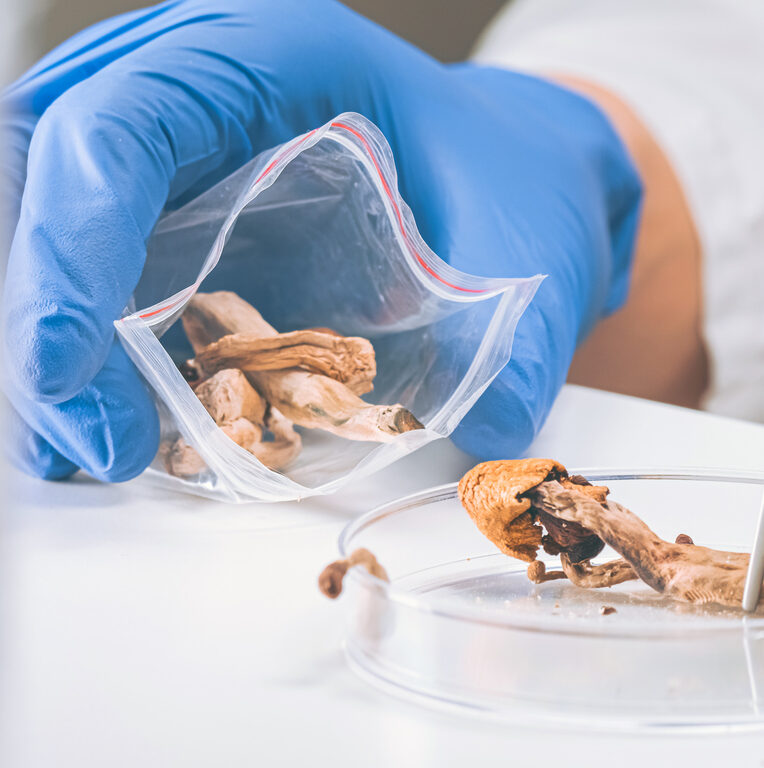
Psilocybin mushrooms, often called magic mushrooms, contain a hallucinogenic compound known as psilocybin. Users report altered perception, mood changes, and visual effects. In many cases, the substance appears to have been dried in a small bag or ground into a powder in a jar, and then becomes key evidence in a criminal case.
Historically, various cultures used these mushrooms in spiritual and ritual settings. Recent studies and public discussion have focused on possible therapeutic benefits, and several states have explored limited decriminalization. Despite that broader conversation, psychedelic mushrooms in North Carolina remain illegal under current law, and enforcement continues at the state level.
Legal Classification in North Carolina
Under North Carolina law, possession of psychedelic mushrooms falls within Schedule I. This category reflects a purported high potential for abuse and no accepted medical use under state standards, despite ample research to the contrary. As a result, a charge for possession of psychedelic mushrooms in North Carolina often carries felony exposure, even when the amount is small and intended for personal use.
State and federal rules overlap. Psilocybin also appears in Schedule I under federal law, and larger cases or multi-state conduct can draw federal attention. Investigations may involve both local officers and federal agents, with separate procedures and penalties applied.
Legal Representation Matters
A possession of a controlled substance lawyer in North Carolina reviews these cases with a focus on search procedures, lab testing, and the handling of evidence from the scene to the courtroom. Hiltzheimer Law Office works with clients facing these charges and addresses both state and federal issues early, when the facts are still developing, and options remain open.
North Carolina Laws and Penalties for Psilocybin Possession
Psilocybin is a Schedule I substance under state and federal law. Even a small bag on a car seat can lead to a felony record, and the criminal penalty for possession of psychedelic mushrooms often begins at the felony level.
Charges and Classifications
- Simple possession: Possession of psychedelic mushrooms in North Carolina is typically charged as a felony based on control and knowledge. A small amount still carries serious exposure.
- Possession with intent to distribute: Packaging, a digital scale, or cash in small bills point to sales activity. Charges rise with these indicators, and penalties increase.
- Manufacturing or cultivating: Grow kits, jars, or drying racks can support manufacturing counts. Photos and inventory lists in the report often drive these allegations.
Penalties and Aggravating Factors
- Sentencing outcomes: The penalty for mushroom possession depends on the prior record level and the facts of the case. Courts impose prison time, probation, fines, and fees. A structured sentencing grid will provide guidance to the court.
- Aggravating factors: Prior drug convictions increase the potential jail sentence range. Proximity to schools or involvement of minors increases exposure. Additional counts, such as paraphernalia, add pressure.
- Long-term impact: A felony record affects your employment, housing, and licensing. Background checks will be difficult for years to come.
Federal Alignment
- Federal law: Psilocybin remains Schedule I at the federal level. Larger quantities or interstate conduct can draw federal charges with longer prison terms and substantial fines.
- Overlap with state cases: Joint investigations occur in larger matters. Evidence handling and reports must meet strict standards in both systems.
Decriminalization Efforts and Legal Developments
Psilocybin remains illegal statewide, and North Carolina law continues to support felony charges for possession of psychedelic mushrooms. However, there are efforts at psychedelic legalization in some parts of the country. In North Carolina these substances remain illegal and officers still seize small bags and jars, and prosecutors file cases in line with current statutes. Legal developments to bear in mind include:
- Decriminalization versus legalization: Decriminalization lowers penalties and shifts enforcement priorities, while legalization allows regulated use and sales. Under decriminalization, possession of shrooms might result in a citation or a reduced charge, yet the substance remains illegal and subject to enforcement.
- Local trends outside North Carolina: Some cities in other states have labeled enforcement as a low priority. Policies vary widely and often depend on local councils. These changes do not apply in North Carolina, where statewide law controls charging decisions.
- National discussion on therapeutic use: Research into mental health treatment has increased interest in psilocybin. Clinical settings, dosing protocols, and screening measures appear in policy debates. Legislators review these developments, and proposals surface in committee meetings and reports.
- What changes could mean for residents: If decriminalization advances, penalties might drop, and court outcomes could shift, though possession would remain unlawful. Records, licensing, and background checks would still carry weight, and enforcement would not disappear.
- Staying informed as laws evolve: Psychedelic mushrooms in North Carolina remain illegal today. Policy discussions continue, and updates can move quickly through the legislative process. Tracking changes helps you understand risks and plan next steps as reforms develop.
Defending Against Psilocybin Mushroom Charges
In North Carolina, possession of psychedelic mushrooms triggers actions from the first contact with police. Officers list items on a clipboard, seal evidence in a bag, and send samples to a lab, and small gaps in those steps often shape the defense more than the quantity involved. Early legal review sets the tone of your case.
Core Defense Strategies
- Challenge the stop and search: A drug possession lawyer in North Carolina reviews the basis for the stop, any consent, and the scope of the search. Body camera footage and the search log can expose overreach or a lack of justification.
- Test the evidence and lab work: Identification must be proven. Labels on the evidence bag, chain of custody, and lab methods get examined for errors. Weak links create doubt.
- Dispute possession and knowledge: Constructive possession claims often rely on shared spaces. A car console, a bedroom shelf, or a backpack on the floor may involve multiple people, and control must be shown beyond mere proximity.
- Raise constitutional violations: Unlawful searches or procedural mistakes can lead to suppression. A possession of a controlled substance lawyer in North Carolina files motions and presses for hearings when the record supports it.
Alternative Resolutions and Advocacy
- Diversion and conditional discharge: Some first-time cases qualify for structured programs with testing, counseling, and court check-ins. Completion can reduce long-term impact.
- Negotiation and charge reduction: A drug charge defense lawyer weighs the proof, challenges weak points, and seeks reduced counts or lighter terms where appropriate.
A focused defense to avoid the maximum penalty relies on facts in the reports, the video, and the lab file, and each piece deserves careful review before decisions are made.
Legal Risks Beyond Possession: Paraphernalia and Federal Charges
A criminal charge involving possession of psychedelic mushrooms in North Carolina often expands beyond the substance itself. Officers inventory items on a desk. A grow kit, a scale, or small plastic bags go into the report against you. Those items can support separate counts of paraphernalia and increase your legal exposure.

Paraphernalia Charges Under State Law
North Carolina applies paraphernalia statutes to equipment used for growing, packaging, or distributing. Items such as jars with residue, drying racks, or capsule trays can trigger charges in addition to the underlying offense. Prosecutors pair these counts with the main case, and the combined allegations can raise the criminal penalty for possession of psychedelic mushrooms through added fines and supervision terms.
Enforcement remains strict in North Carolina for possession of magic mushrooms. While some states have relaxed approaches, North Carolina continues to pursue paraphernalia cases tied to psilocybin. Reports often include photos of the items and notes on their condition, which then appear in court as exhibits.
Federal Exposure and Broader Consequences
Federal law treats psilocybin as a Schedule I substance, and paraphernalia tied to distribution can draw federal attention in larger or multi-state matters. Agents may join local officers, and federal penalties can include lengthy prison terms and substantial fines. Charging decisions turn on quantity, alleged distribution activity, and any link to interstate conduct.
A drug possession lawyer in North Carolina reviews both state and federal cases. The defense examines search procedures, how items were identified as paraphernalia, and whether evidence was handled correctly. Early review helps separate weak allegations from stronger ones and keeps options open as the case develops.
Speak with Hiltzheimer Law Office Drug Possession Lawyers Today
A charge for possession of psychedelic mushrooms in North Carolina puts pressure on every part of your life. Early mistakes in reports or in the handling of evidence often shape the case more than people expect. You need a clear legal plan from the start.
A drug possession lawyer in North Carolina reviews each step of the investigation. Your attorney checks the stop, the search, and the testing process, and builds a response that targets weak points in the state’s case. Charges can shift when those details break down.
- Early case review: Reports, body camera footage, and lab requests get examined for errors and gaps.
- Focused defense strategy: A possession of a controlled substance lawyer in North Carolina challenges search issues, questions identification, and pushes for reduced charges when facts support it.
Hiltzheimer Law Office handles complex drug cases across North Carolina, with a steady focus on protecting your rights and limiting exposure. You get direct answers, organized steps, and a defense built on the facts in front of you.
Call today to schedule a confidential consultation. Please remember to bring your paperwork, your bond sheet, and any notices you have received from the criminal justice system. The sooner you act, the more legal options remain open.
Frequently Asked Questions
Yes. Psilocybin is a Schedule I substance under state law, and possession is always charged as a felony. Even a small bag on a car seat can lead to a record, with penalties tied to prior history and surrounding facts.
Yes. Psilocybin mushrooms are illegal to possess, sell, or distribute. Officers treat dried caps, powder in a small jar, or mixed material the same way, and lab testing confirms the identity before charges proceed in court.
Simple possession involves control over a small amount for personal use. At the same time, intent to distribute is based on factors such as packaging, a digital scale, cash in small denominations, or messages suggesting sales activity.
Yes. Constructive possession allows charges based on control and knowledge of the space. Items like keys, mail on a counter, or shared access can support the case, though those facts often get challenged in court.
In some cases, yes. Judges may consider probation, conditional discharge, or structured programs, especially with a clean record. A calendar of counseling visits and negative screens often supports a more favorable outcome.
Sometimes. Searches may occur with consent, probable cause, or specific exceptions. Body camera footage, a written report, and the timeline of events often determine whether the search meets constitutional standards.
Yes. Certain counties offer treatment courts or supervised programs with strict conditions. Regular testing, counseling sessions, and court check-ins become part of daily life, and completion can reduce long-term consequences.
Yes. Federal law also treats psilocybin as a Schedule I substance. Larger quantities, interstate conduct, or organized activity may draw federal involvement, in which penalties and procedures differ from state-court practice.
Expungement depends on the outcome. Dismissals and not-guilty verdicts are more common, while convictions are subject to limits. Filing requires a petition, background check, and court review, with strict eligibility rules applied.
A conviction can stay on your record for years and affect employment, housing, and licensing. Background checks often reveal the charge, and relief options remain limited, making early defense decisions important.