Traffic Violation Lawyer in North Carolina

20+
years of experience

100+
5-star reviews

100%
criminal defense
When most people think of traffic violations, they imagine infractions, or non-criminal traffic tickets. Many traffic violations fall into this category, but some — like driving while impaired (DWI), reckless driving, and higher speed tickets — are criminal charges in North Carolina. Many people think that if they’ve been issued a traffic ticket, the best course of action is to pay the ticket and be done with it.
However, even non-criminal violations can still have a negative impact on your driving record. You might face drastically increased car insurance premiums and even license suspensions. Paying the ticket is treated as a guilty plea to everything you are charged with and is almost never in your interest.
North Carolina Traffic Attorney
A traffic lawyer in North Carolina may be able to help you obtain a reduction or even a dismissal of traffic violations and fight criminal charges. At Hiltzheimer Law Office, we’re committed to standing by our clients — even when it seems the odds are stacked against them.
Contact Us Now
What Is a Traffic Violation in North Carolina?
A traffic violation charge in North Carolina can be for something as simple as driving slightly over the speed limit or as serious as a DWI crash. Traffic offenses can be divided into three classes of severity:
- Infractions: Non-criminal violations like running red lights or low-level speeding
- Misdemeanors: More serious traffic violations like reckless driving, hit-and-run, higher-level speeding charges, and DWI that result in fines, suspensions, and even jail time
- Felonies: The most serious criminal traffic violations that lead to prison time
Most DUIs are charged as misdemeanors, as well as reckless driving. Habitual DWI offenders may be charged with a felony, as well as individuals charged with DWI resulting in serious injury or death. Another example of a felony traffic offense is a Felony Flee to Elude.
Common Types of Traffic Violations You Can Be Charged For
NC traffic violations run the gamut from very minor to life-altering. Here’s a look at some of the most common.
Speeding
Speeding is a common offense, and in many cases, it’s minor. However, North Carolina law is very strict when it comes to speed. At higher levels, speeding is classified as a misdemeanor criminal offense.
Under NCGS § 20‑141(j1), a person charged with driving a vehicle on a highway at a speed that is either more than 15 miles per hour over the speed limit, or over 80 miles per hour, faces a Class 3 misdemeanor and can face a license suspension even for a first offense if convicted.
Driving While License Revoked
Driving on a suspended or revoked license is a Class 2 misdemeanor in North Carolina, unless the basis for your suspension relates to an impaired driving offense, in which case it is a Class 1 misdemeanor. You could face jail time and an additional suspension if convicted, depending on your record and other factors.
Diving Without Insurance
Driving without insurance is a crime in North Carolina. A first offense is a class 3 misdemeanor if you are convicted. A skilled traffic attorney may be able to negotiate a dismissal or otherwise reduce the consequences.
Failure to Stop at a Stop Sign or Red Light
This is typically an infraction. However, keep in mind that running a red light or stop sign can have more serious penalties than fines and points on your driver’s license. If you cause an accident, you could seriously hurt yourself, another driver, or both.
Driving While Impaired (DWI)
DWI is one of the most common North Carolina criminal traffic violations. There are six levels of DWI sentencing in North Carolina (levels 1-5 and aggravated level 1), and penalties range from a small fine, license suspension, community service, and alcohol classes, to up to three years in prison for the most serious DWI charges. Having a skilled traffic attorney in your corner from the beginning will be critical to helping you navigate the complex legal landscape of a DWI charge.
Reckless Driving
Reckless Driving, or “Careless and Reckless,” is another of North Carolina’s most common criminal traffic offenses. Depending on the circumstances and your prior record, you could face a license suspension, significant fines, and even jail time. A skilled traffic attorney can help to reduce the consequences.
Traffic Violation Penalties and Fines
If you have been charged with any kind of traffic violation, the most important thing you can do for yourself is to hire an experienced traffic attorney. NC imposes severe penalties, even for minor offenses.
The most important thing to keep track of when it comes to traffic violations is the point system. There are actually two separate “point” systems — one for the North Carolina Department of Motor Vehicles (DMV) and the other for insurance companies.
The DMV point system assigns points to your license based on traffic infractions. Points stay on your license for three years, and if you accumulate 12 or more points in a three-year period, your license can be suspended.
Under this system, littering from a car results in one point, most moving violations result in two points, and a hit-and-run accident without bodily injury results in four points.
Many people are more familiar with the insurance point system than the DMV point system. Insurance companies use something called the Safe Driver Insurance Plan. Under this plan, the more insurance points you accumulate, the higher your insurance premium becomes.
On the low end, a minor speeding ticket can add one point to your license. In some cases a traffic attorney can negotiate a reduction that will avoid points altogether. A driving while impaired conviction results in 12 points.
Often, the cost of increased insurance premiums will exceed the initial cost of a fine. A speeding ticket can result in a fine of up to $250. Many fines are a minor inconvenience, but if you are convicted of criminal charges for the highest level of DWI, you could face up to a $10,000 fine and three years in prison.
Traffic Laws and Regulations
The best way to minimize your chances of committing a traffic violation is to ensure you’re familiar with North Carolina traffic violation laws. Obeying speed limits, not driving under the influence of alcohol or other drugs, and making sure you have a driver’s license and valid registration are all important. But if you’ve been charged with a traffic infraction or criminal offense, the most important step you can take is to hire a skilled traffic attorney right away to advocate for you in court.
Traffic Court and the Judicial Process
If you choose to contest a traffic ticket or you’re facing criminal traffic violation charges, you may be required to appear in court. In some cases, your lawyer might be able to appear for you.
The process depends on your county and the exact offense you’re contesting. Minor traffic tickets can often be resolved quickly in traffic court, but criminal offenses like DWI involve a more prolonged process to resolve through a criminal trial court. These cases may involve several continuances, so it may take several months for a criminal traffic case to reach its conclusion.

Resolving Traffic Violations and Maintaining a Clean Record
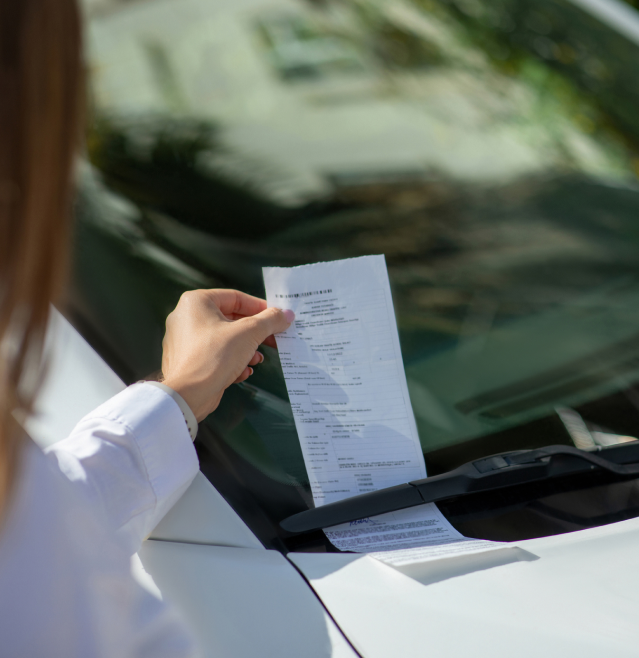
How you try to resolve a traffic violation depends on what violation you’re facing. Many people believe that if they receive a ticket, they should simply pay it. However, paying a ticket is equivalent to admitting guilt. You may not have to serve jail time, but consequences like increased insurance premiums and even a license suspension can result if you simply pay the ticket.
While there’s no guarantee that an attorney will be able to get your ticket dismissed, having the right attorney can boost your chances of a reduction or a dismissal.
If you are facing a misdemeanor or felony violation, the stakes are much higher. If you are convicted, you will have a permanent criminal record. Both felonies and misdemeanors have serious consequences, and even if you are ultimately convicted, your lawyer will be able to argue for lighter penalties.
Frequently Asked Questions
A traffic violation lawyer helps defend drivers against tickets, fines, and potential license points under North Carolina law.
You can contest tickets by pleading not guilty, requesting a court hearing, and presenting evidence or legal defenses with a lawyer.
Speeding, running red lights, DUI, and reckless driving are common, with penalties ranging from fines to points on your license.
Fees vary by case complexity, but most lawyers offer flat fees for routine tickets and hourly rates for more complex defenses.
Request a court date, gather evidence, potentially hire a lawyer, and present your defense at the hearing.
Not always, but a lawyer can help reduce fines, points, or prevent license suspension for serious violations.
Traffic convictions add points to your license, which can lead to higher insurance rates or license suspension if points accumulate.
Completing a DMV-approved driver improvement course or contesting the ticket successfully can reduce points.
Tickets are reported to the DMV; points are assessed, fines must be paid, and disputes can be handled through the courts.
Infractions are minor violations with fines; misdemeanors are more serious, sometimes involving court appearances and potential jail time.
Most violations remain for 3-5 years, but serious offenses like DUIs can remain longer.
Follow speed limits, obey traffic signals, avoid distracted driving, and maintain proper documentation.
You can request a hearing in court to challenge the ticket, present evidence, or negotiate reduced penalties with the prosecutor.
Ignoring a ticket can result in additional fines, license suspension, or a warrant for your arrest.
Points from violations can increase premiums; serious offenses like reckless driving or DUI have a larger impact on insurance rates.